ACCESSORIES

A device that consists of a lightproof chamber with an aperture fitted with a lens and a shutter through which the image of an object is projected onto a surface for recording (as on a photosensitive film or an electronic sensor) or for translation into electrical impulses (as for television broadcast).
TYPES OF CAMERA :
1. Compact Digital Cameras
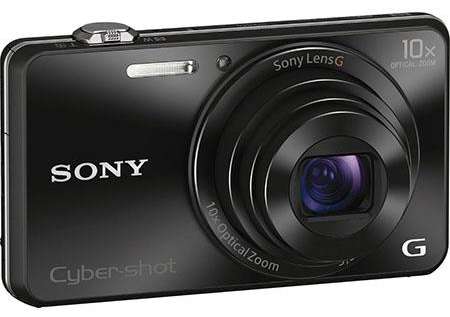
Very user-friendly
Light and compact
No need for film or extra lenses
Full auto mode
More affordable
Cons:
Usually can’t customize shutter speed and aperture
Limited aperture and zoom range
Noisier photos due to small sensor
Lower resolution
Slower focus
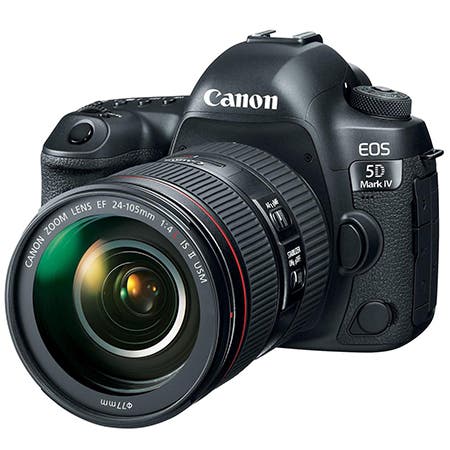
Fully customizable settings
Large sensors for cleaner images
Optical viewfinder
High-resolution photo output
Full HD to UHD video output
Wide variety of camera body and lens choices
Cons:
Bigger and bulkier
Higher cost
Requires ample know-how
3. Action Cameras
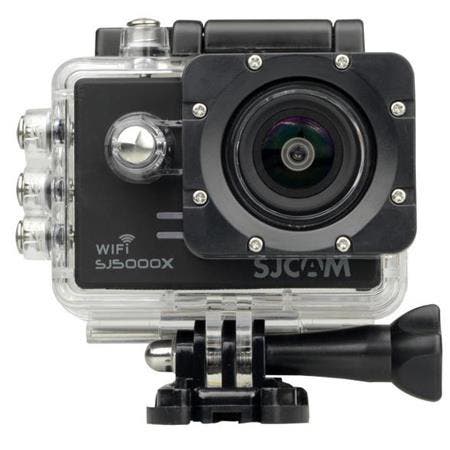
Rugged and compact
Lightweight
Versatile and mountable on almost any surface
Remote view and shutter via smartphone
Cons:
Viewfinder too small, if available
Exposure settings not fully customizable
Fixed focus
Limited digital zoom
4. Polaroid cameras

Instant gratification
trendy
unique ; one-of-a-kind image that has not been stored or created elsewhere
retro-styled images are produced
Cons :
hefty expense as the film for Polaroids will run out faster than the space you use on a digital camera memory card.
photos can’t be saved.
backup battery of an instant camera is not that great as it doesn’t last all that long.
5. Film Cameras
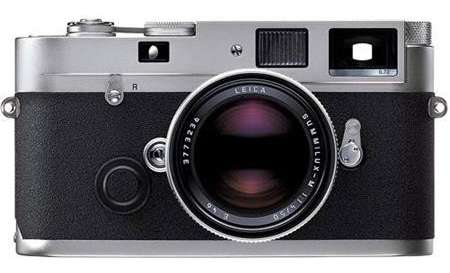
Pros:
Image resolution and size (for medium and large format)
Beautiful, artistic photos
Vintage-looking hardware
Cheap, good quality lenses
Cons:
Analog settings
Expensive and recurring film cost
No internal light meter
Risk of parallax, focus, and exposure errors
Wah sebelum ni taktahu sangat pun pasal camera 😂
ReplyDelete